
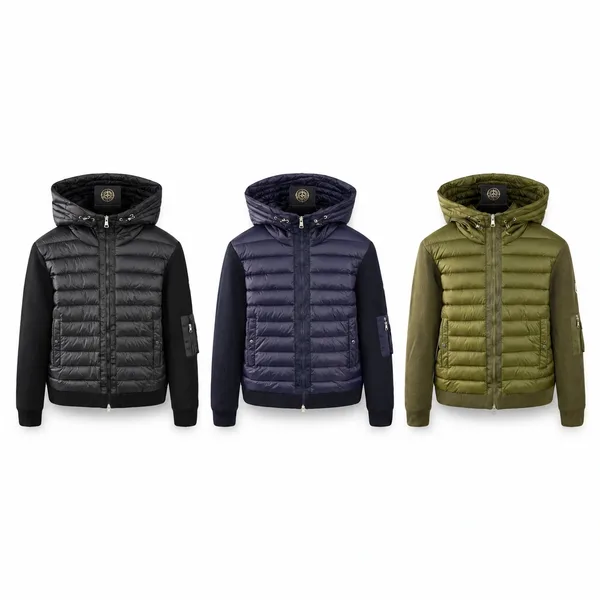
 Down Jackets
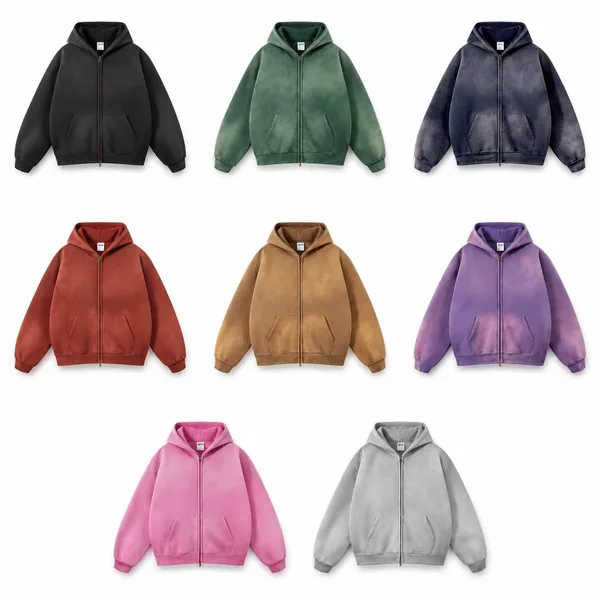 Jackets & Coats
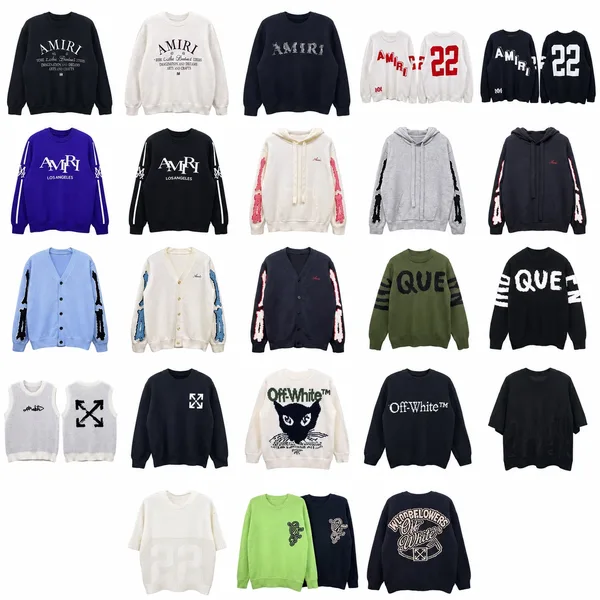 Sweaters
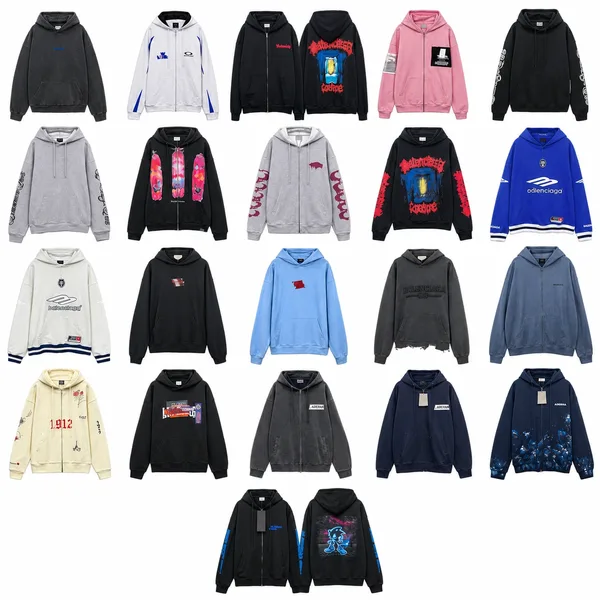 Hoodies & Sweatshirts
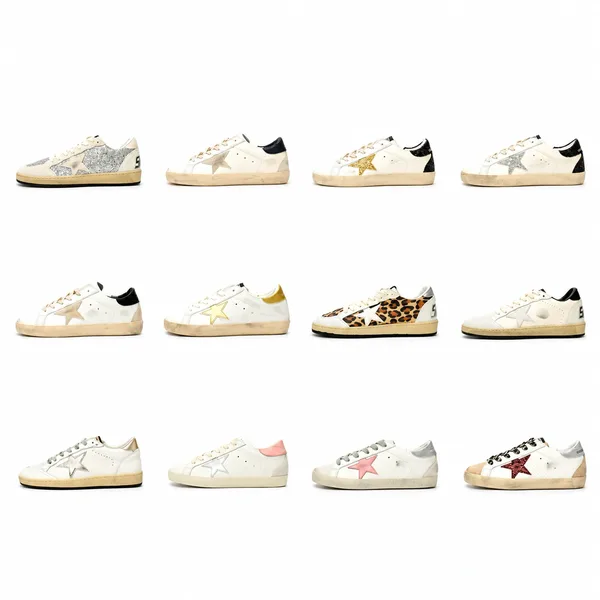 Shoes
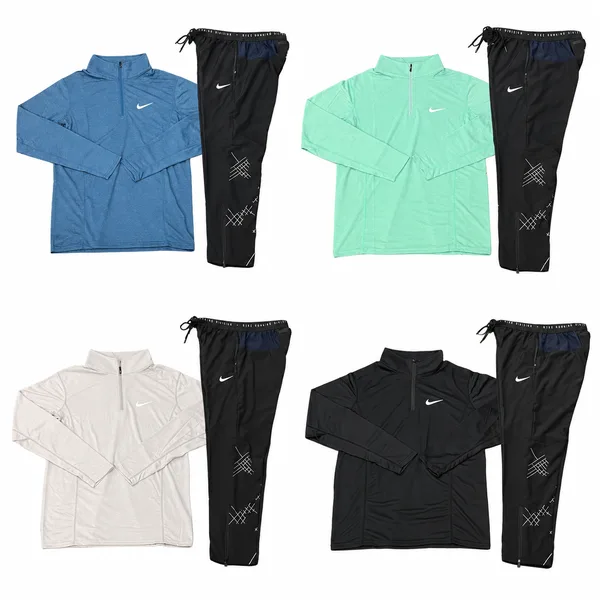 Sports Sets
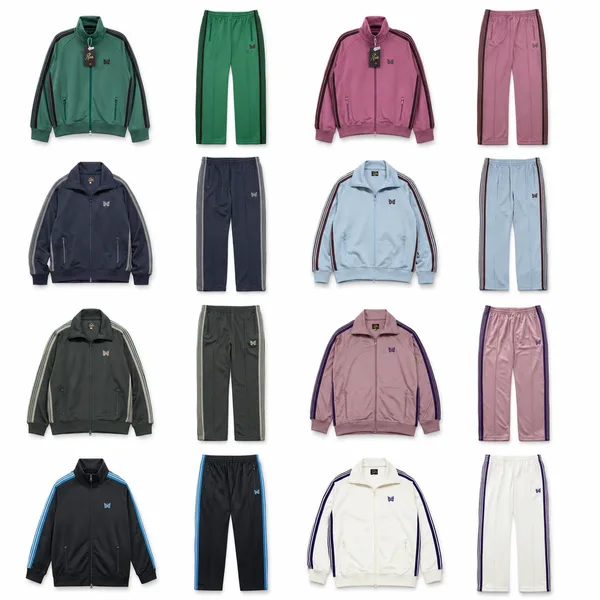 Casual Sets
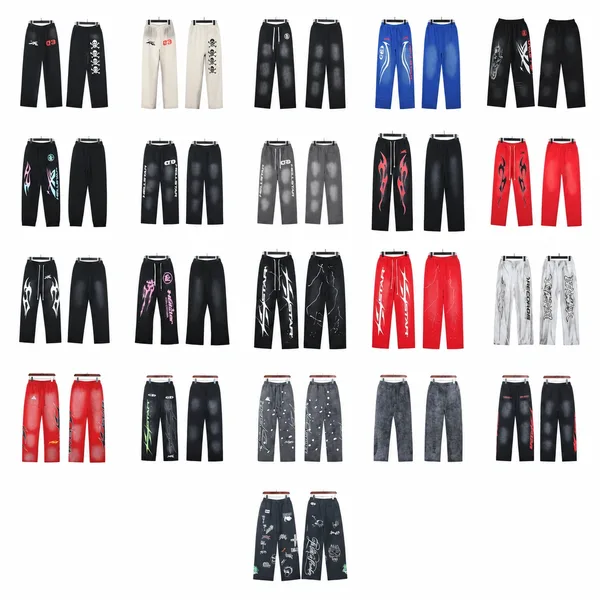 Joggers & Track Pants
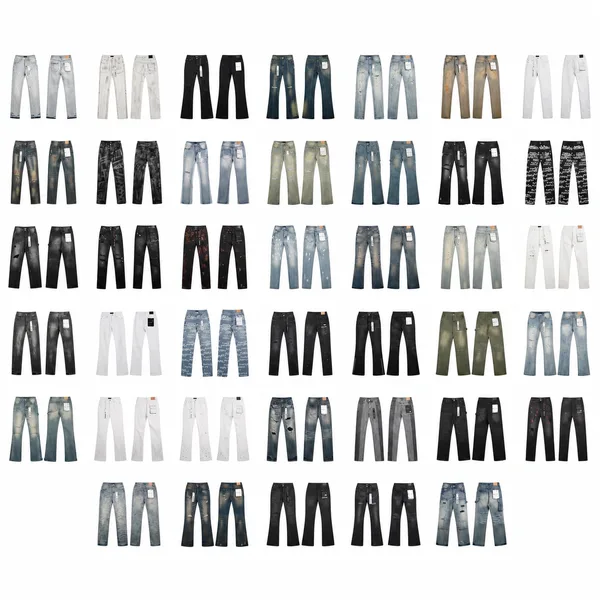 Jeans
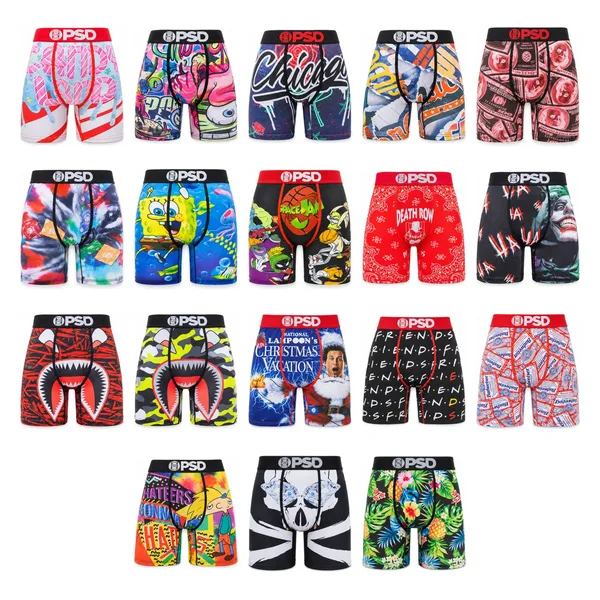 Underwear
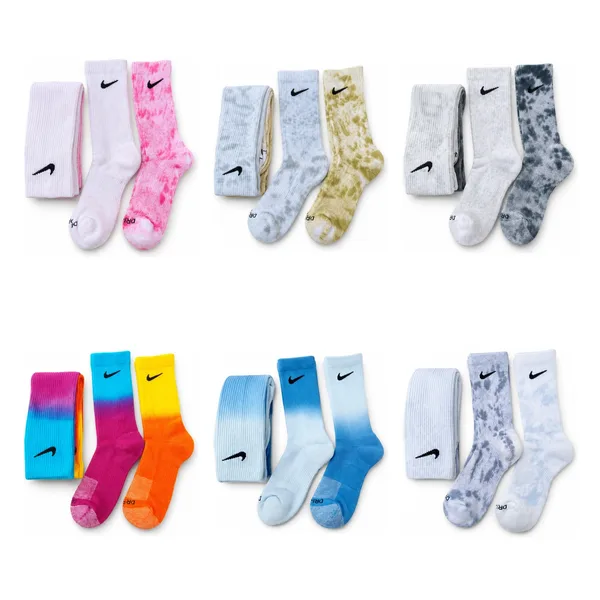 Socks
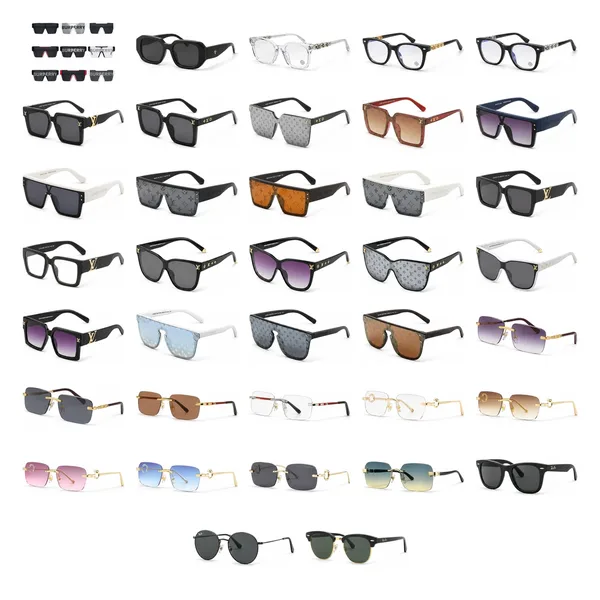 Eyewear
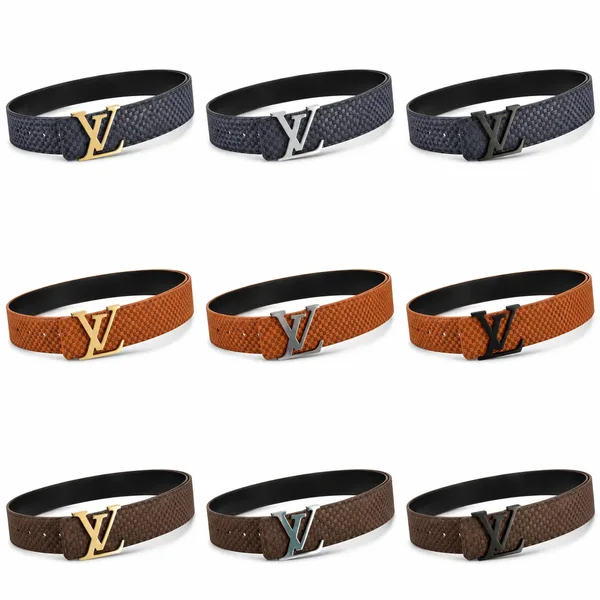 Belts
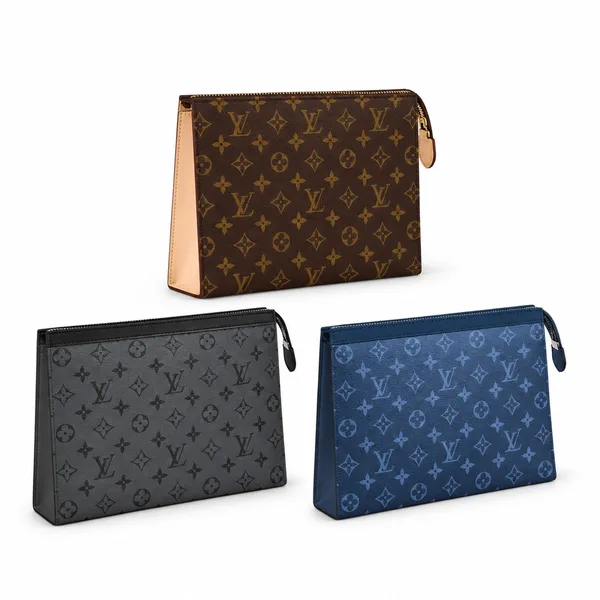 Bags & Wallets
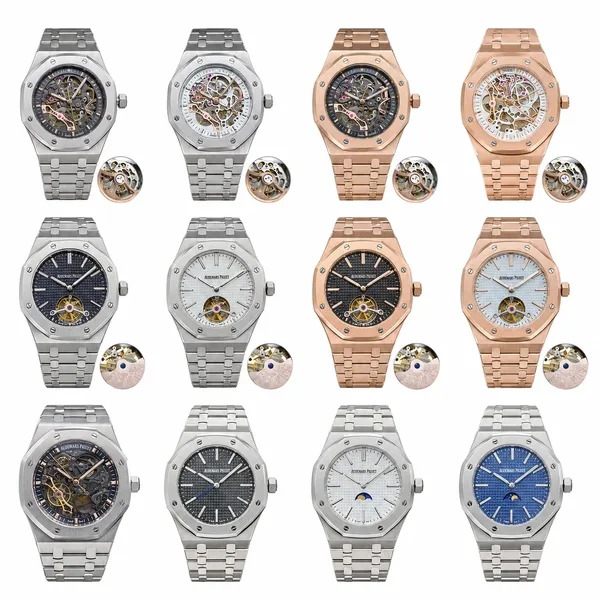 Watches
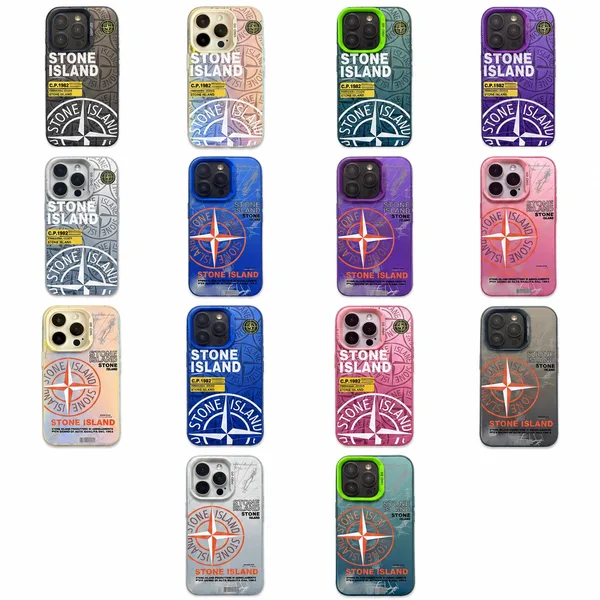 Electronics
 Jerseys
 Hats
 Jewelry
 Scarves
OopBuy Spreadsheet: Build a Shortlist You Can Check
An OopBuy spreadsheet is useful when every saved row keeps the item, chosen option and next question together. Treat a row as a lead until you can reopen its destination and explain what the evidence does—and does not—show.
Start with clothing or footwear
Choose a product direction before working through the buying steps. These are individual listing destinations, not interchangeable size or quality recommendations.
| What you want to explore | Product destination | Next useful question |
|---|---|---|
| A white printed top | Floral-lightbulb graphic tee | Which option and garment measurements match your reference tee? |
| A mint-green layer | Heart-A knit listing | What measurements and composition does the selected listing actually supply? |
| A black-and-silver sneaker design | Gel-1090 listing | Which size system and option are shown for this pair? |
| A white-and-black sneaker design | Superstar listing | Does the selected option match the design you saved? |
For a wider starting point, browse shoes or browse hoodies and sweaters. Product names identify the listings; they do not establish authenticity, stock, fit or wear performance. Confirm the selected option before budgeting or ordering.
Build one decision record per item
For footwear, start with the OopBuy shoes selection, which links two different sneaker designs and the broader OG category before the sizing checks.
For tops and layers, open the OopBuy clothing selection to compare a graphic tee and a knitwear candidate through their own product pages.
The women's spreadsheet guide connects outfit proportions and selected pieces with clothing candidates and a clearly scoped footwear lead.
Record the full product address, a distinguishing description, the colour or size you would choose, the observation date and the next action. Keep category, item amount and delivery planning in separate fields. If a destination changes or disappears, mark the row for review instead of silently substituting a similar result.
For a saved graphic tee, you can inspect the white graphic tee to define the fields you want to compare. The product page is a comparison reference, not proof of fit, stock or an order outcome.
From a saved item to an order
Use the buying guide to carry the same item through selection, payment and warehouse checks. The QC photos guide explains how to match each image to your selected option; the haul guide helps keep several purchases organised before packing.
Before choosing delivery, compare shipping options, parcel estimates and delivery stages. Check coupon conditions against the amount actually due. Once a parcel is dispatched, follow its events in the tracking guide.
Keep the shortlist current
Before an action that depends on a saved item, reopen its destination, recheck the option and refresh the price. Keep unknown measurements as questions to resolve, rather than guessing the fit. The spreadsheet links guide covers changed destinations; the review guide helps you judge what another buyer's experience can tell you.
What makes a collection useful for your purchase?
Start with the type of decision you need to make. Finding a design, choosing an option and estimating a parcel are different jobs. A useful collection makes the first job easy without pretending it has already completed the others.
| Your decision | Useful information | A reason to investigate further |
|---|---|---|
| Find an item | A distinguishing description and a specific product destination | Several rows lead to the same generic page. |
| Compare sizes | The chosen option and its own measurement method | A size letter appears without measurements or a size-system explanation. |
| Compare costs | Currency, selected option and separation of item and parcel amounts | A headline amount is presented as the total cost without a destination or parcel scope. |
| Assess a reported result | The item, completed stage and date of the account | A positive label substitutes for information about what actually arrived. |
Keep a usable comparison when a page changes
Suppose one saved row still opens a product while another starts showing only a category. The second row has lost the specific destination needed for a like-for-like comparison. Find the individual listing again before carrying over its measurements or amount. A visually similar result should start a new comparison, not silently inherit the old row's history.
If you decide to remove a candidate from your shortlist, retain any private purchase records separately. Editing a planning collection is not the same as changing an order or cancelling an account action. The order-status guide helps distinguish those stages.